


-

Add: HeBei ShengShi HongBang Cellulose Technology CO.,LTD.
-

Email
13180486930@163.com -

CONTACT US
+86 13180486930

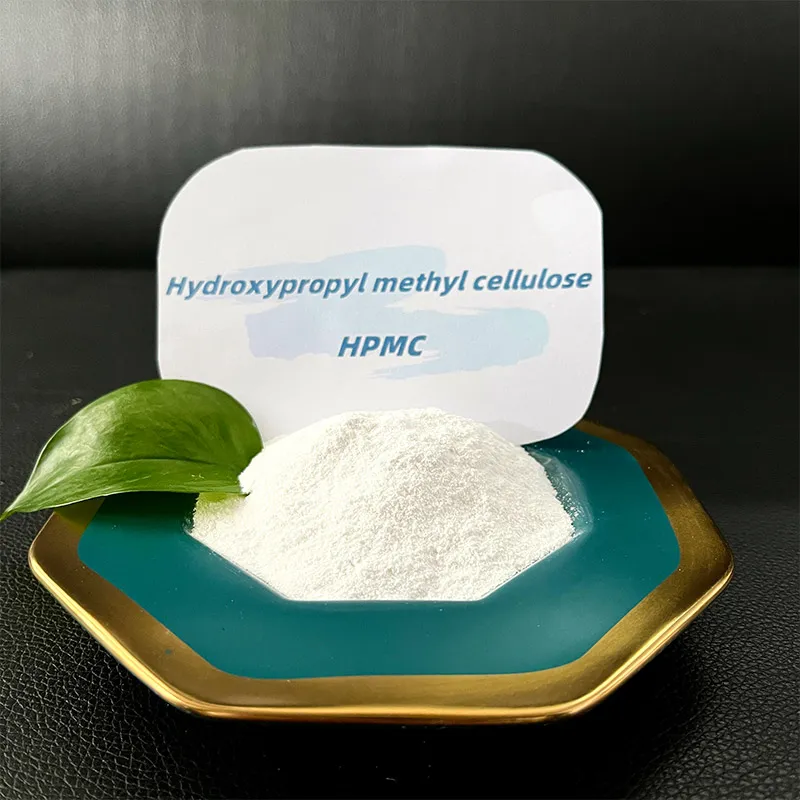


Unlocking the Benefits of Purchasing HPMC A Comprehensive Guide Hydroxypropyl Methylcellulose (HPMC) is a versatile material with applications spanning from construction to pharmaceuticals and beyond. Understanding the ins and outs of purchasing HPMC can significantly impact the efficiency and cost-effectiveness of your project. This guide offers insightful tips based on real-world experiences, expert knowledge, and authoritative insights into the procurement of HPMC, ensuring that your purchase is both economical and practical. The Importance of HPMC in Diverse Industries HPMC has gained a reputation for its multifunctional properties. For construction, it improves workability, water retention, and adhesion in cement-based products. In pharmaceuticals, it acts as a binder and controlled-release agent in tablet formulations. This wide range of uses underscores the product's relevance and the necessity for careful selection for specific applications. Selecting the Right Supplier The first step in purchasing HPMC involves identifying a reputable supplier. Experience counts; therefore, consider suppliers with extensive backgrounds in chemical distribution. Investigate their track record, client feedback, and quality control processes. Proactive communication is key . A trustworthy supplier should offer transparency about their sourcing, production processes, and any certifications they hold, such as ISO or GMP, assuring you of their commitment to quality. Quality Considerations Not all HPMC is created equal; variations in viscosity, particle size, and purity can affect performance. Expertise and detail-oriented assessment are crucial. Request samples before making a bulk purchase to evaluate the product's quality under your specific conditions. Laboratory testing or small-scale trials can provide insights into the material's behavior in your application, ensuring it meets your expectations. Cost vs. Value comprar hpmc While negotiating for competitive pricing, don't undermine the long-term value that high-quality HPMC represents. Balancing budget constraints with quality requirements ensures that the material will perform as needed, avoiding potential remediation costs or project delays. Take into account not only the purchase price but also factors such as shipping, handling, and potential import duties, which can add to the overall expenditure. Regulatory Compliance Different regions may have specific regulatory requirements for chemicals like HPMC. Confirm that the product adheres to all relevant industry standards and regulations in your area. Suppliers should provide compliance documentation and support any verification processes. This guarantees that your use of HPMC is within legal parameters and maintains the integrity and reputation of your project or product. Environmental and Ethical Considerations In today’s conscientious business landscape, the ethical sourcing and environmental impact of your materials cannot be overlooked. Choose suppliers who prioritize sustainability, monitoring their environmental impact and enforcing ethical labor practices throughout their supply chain. Not only does this align with responsible business practices, but it also enhances your brand’s reputation and potentially its market share. Leveraging Expertise Consulting with industry experts or engaging with professionals who specialize in material science can offer invaluable insights. Their experience can highlight potential pitfalls and innovative uses of HPMC that you might not have considered. Being open to learning from seasoned practitioners can significantly streamline the decision-making process and optimize the performance of your end product. By adhering to these principles, purchasing HPMC becomes a strategic process that enhances your project's efficiency and reliability. The combination of informed supplier selection, stringent quality assessment, compliance checks, and environmental considerations ensures that your investment in HPMC supports your business's long-term goals and values. Embrace the opportunity to leverage expert insights and create a reliable framework for your material procurement strategy.
- 40000tons

Production
- 20+years

Experience
- 5000+㎡

Acreage

-
When it comes to managing dry eye diseases, particularly Meibomian Gland Dysfunction (MGD), two types of eye drops have gained significant attention - Retaine MGD and Hydroxypropyl Methylcellulose (HPMC) based lubricants. Understanding the differences, benefits, and appropriate usage of these products can significantly improve patient outcomes and enhance eye health. This comprehensive guide will shed light on Retaine MGD versus HPMC, grounded in both scientific research and real-world experiences, aimed at maximizing the efficacy of each treatment. Retaine MGD is specifically formulated to provide long-lasting relief for dry eyes associated with Meibomian Gland Dysfunction, a prevalent cause of evaporative dry eye. This preservative-free, oil-based lubricant utilizes Novasorb technology, which sustains and stabilizes the tear film by preventing evaporation. Patients often report a soothing experience as it effectively coats the eye surface, providing a barrier against moisture loss. The lipid-based composition is particularly advantageous for MGD sufferers, as it directly addresses the insufficiency of the lipid layer in the tear film, which is a core issue in MGD. In contrast, Hydroxypropyl Methylcellulose products are water-based lubricants available in various viscosities, designed to replicate and enhance the aqueous layer of the tear film. HPMC is praised for its biocompatibility and ability to retain moisture, thereby reducing friction and discomfort. While HPMC does not specifically target lipid layer deficiencies, it serves as an excellent baseline therapy for overall dry eye symptoms and for patients who may not tolerate lipid-based therapies due to preferences or specific ocular conditions. From an expert perspective, choosing between Retaine MGD and HPMC-based drops should be individualized, considering factors such as the severity of MGD, patient lifestyle, and specific symptomatology. Retaine MGD is highly endorsed for patients with explicit evaporative symptoms attributable to MGD, while HPMC can be recommended for aqueous tear deficiency or for patients seeking an immediate soothing effect without the texture of an oil-based drop. retaine mgd vs hpmc Recent studies underscore the importance of tailored therapeutic approaches. Patients participating in a clinical trial reported significant improvements in Comfort and vision stability with Retaine MGD after four weeks compared to those using traditional aqueous lubricants. Conversely, those on HPMC reported immediate relief and ease of use, with less oily residue, indicating its utility in scenarios requiring frequent application. Eyecare professionals emphasize the importance of holistic management strategies beyond choosing the correct lubricant. This involves lifestyle modifications like eyelid hygiene, regular warm compresses to encourage meibum secretion, and adjustments in environmental factors such as humidity. It is crucial for practitioners to deliver clear guidance on these adjunctive measures to enhance patient adherence and satisfaction. In conclusion, both Retaine MGD and HPMC-based lubricants serve distinct roles in the landscape of dry eye management. Their selection should be based on thorough clinical assessment and patient dialogue . Integrating a nuanced understanding of these products into treatment plans promises to elevate patient care and mitigate the challenges posed by dry eye diseases. With ongoing research and user feedback, eyecare practitioners can continue refining their approach to offer the most effective, evidence-based solutions for their patients.
-
Hydroxypropyl methylcellulose (HPMC), a multifunctional polymer, serves as a key excipient in tablet formulations, playing a pivotal role in the pharmaceutical industry. Renowned for its versatile applications in tablet production, HPMC's functionalities extend to improving the physical and release characteristics of tablets, thereby enhancing the overall drug delivery system. Its frequent use arises from its non-toxic, non-allergenic properties, making it a trusted ingredient for oral delivery systems. HPMC is crucial as a binder, a film-coating agent, and a controlled release polymer. In the binding process, HPMC serves as an adhesive that holds the tablet ingredients together, ensuring structural integrity and consistency during manufacturing, transportation, and storage. Being water-soluble, HPMC easily hydrates and swells, forming a gel-like structure that aids in maintaining tablet cohesion. This characteristic dramatically minimizes the occurrence of tablet fragmentation or disintegration before it reaches the consumer, maintaining the dosing accuracy vital for therapeutic effectiveness. In the realm of film coating, HPMC provides tablets with a protective outer layer that inhibits moisture, oxygen, and light degradation—common factors that can affect the active pharmaceutical ingredients' (API) stability. The film forming capability of HPMC is instrumental in ensuring aesthetic appeal by smoothing the surface of the tablet, which can also facilitate branding through printing or distinct coloring. Additionally, the use of film coatings can assist in masking unpleasant taste and odor, further improving patient compliance. A more sophisticated application of HPMC is in controlling the release of APIs. The development of sustained-release or extended-release formulations allows a gradual release of the medication over time, which can be crucial for drugs requiring consistent blood concentration levels. HPMC achieves this by forming a gel barrier when exposed to gastrointestinal fluids, controlling the rate at which the medication is released. This controlled release mechanism provides substantial benefits such as reduced dosing frequency, improved patient adherence, and minimized side effects due to peak plasma spikes. hpmc used in tablets From an expertise perspective, the manipulation of HPMC’s molecular weight and substitution pattern allows pharmaceutical scientists to tailor its properties to specific formulation needs. This capability underscores HPMC's role in formulating both immediate and controlled-release dosage forms. Its compatibility with a wide range of active substances further validates its indispensable utility in drug formulation. Studies affirm HPMC's safety profile, with substantial documented evidence supporting its non-toxicity and tolerability, earning the confidence of regulatory bodies globally. Experts consistently endorse its use, given its minimal interaction with APIs and excipients, ensuring that drug integrity is preserved throughout the shelf life. This adds credence to HPMC's credibility and trustworthiness in pharmaceutical applications. Moreover, real-world experience attests to HPMC’s reliability . Pharmaceutical companies globally report high levels of satisfaction with its performance, notably in enhancing product stability and patient compliance. Consistent with evolving consumer demands and regulatory guidelines, HPMC continues to be at the forefront of innovation in tablet formulation technology. In conclusion, Hydroxypropyl methylcellulose remains an exemplary choice for tablet formulation due to its multifunctional attributes and unparalleled reliability. Its ability to adapt to diverse formulation needs reaffirms its status as a cornerstone of tablet technology, combining professional expertise, safety, and performance. Such features assure both manufacturers and consumers of its efficacy, safety, and continuation as a preferred excipient in tablet development.
advantages
-

200000 Viscosities
Excellent product
We can produce pure products up to 200,000 viscosities
-

40000 tons
High yield
We don’t stop production all year round, and the annual output can reach 40,000 tons
-

24 hours
Quality service
We provide 24-hours online reception service, welcome to consult at any time
———— Inquiry Form
Schedule A services



-
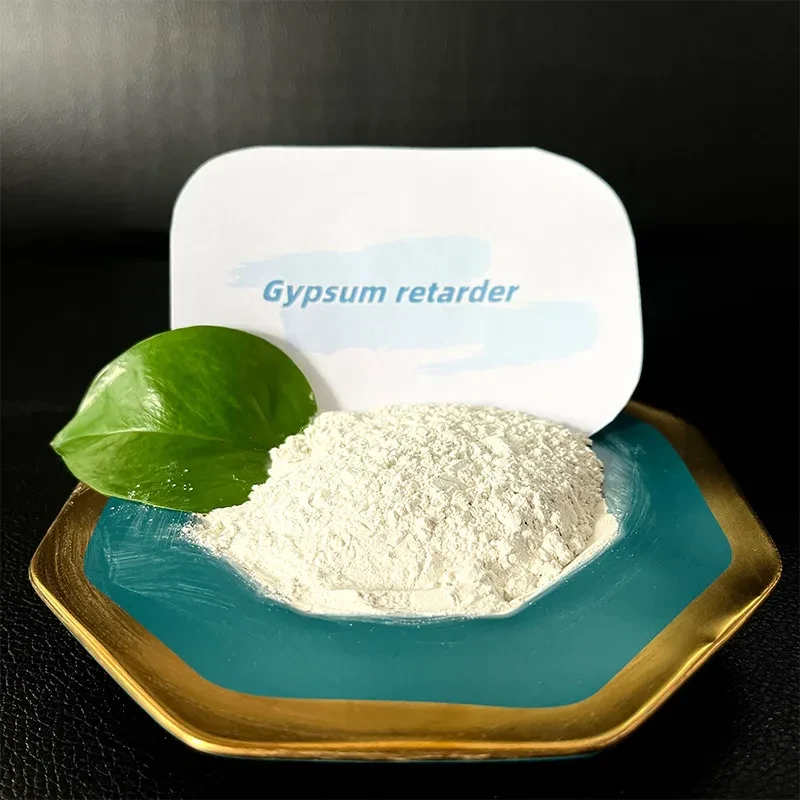 hpmc_thickener
Oct . 25, 2025
The construction industry constantly evolves to meet demands for better performance, enhanced effici -
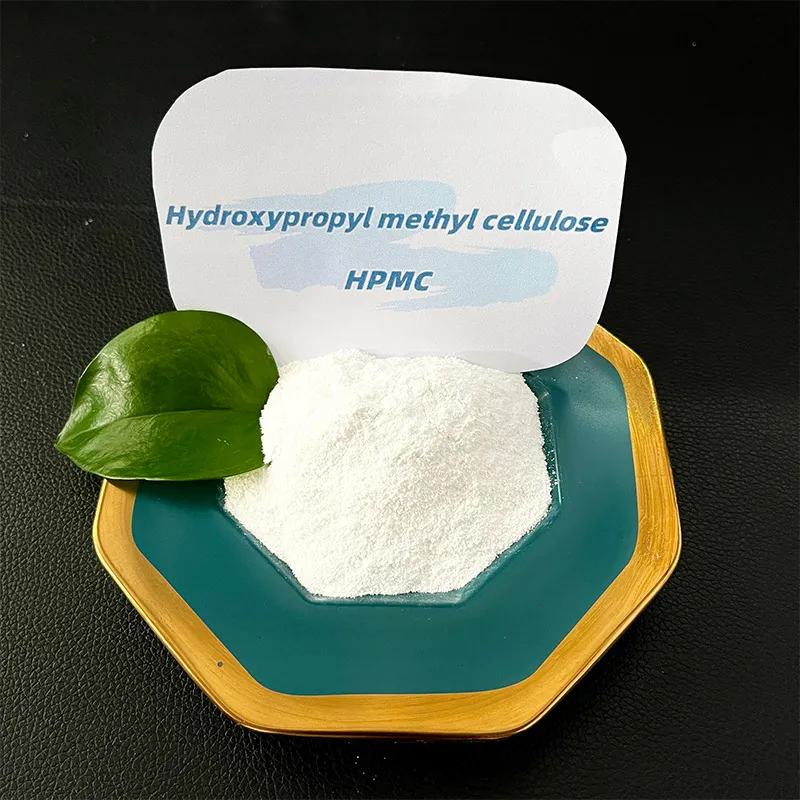 bei_ya_poda_ya_polima_inayoweza_kusambazwa_tena
Oct . 25, 2025
In the ever-evolving landscape of sustainable manufacturing, high-performance environment-friendly r -
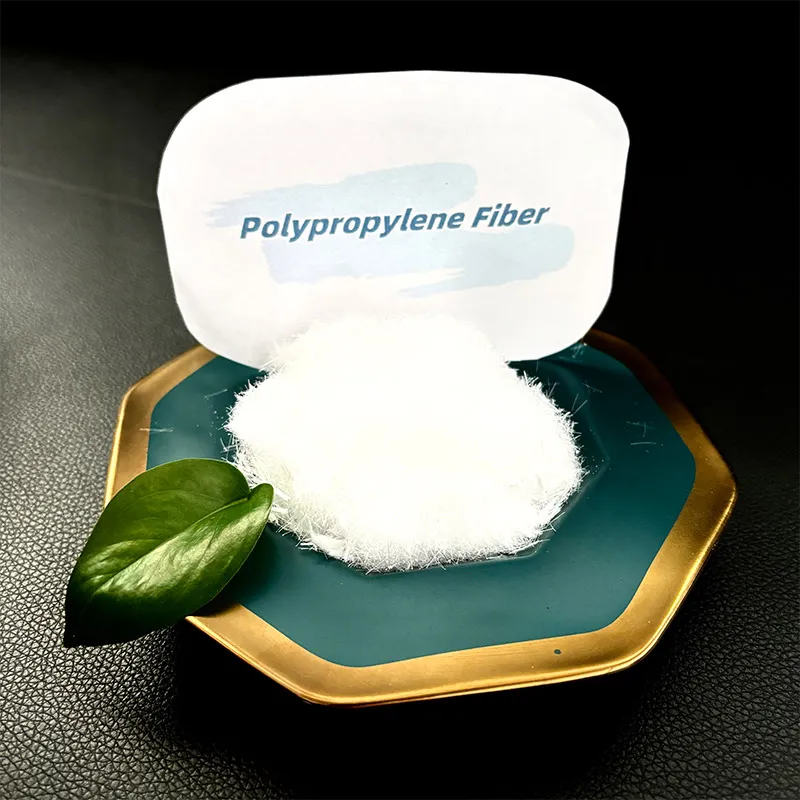 micro_synthetic_fiber_concrete
Oct . 25, 2025
The construction industry constantly evolves to meet demands for better performance, enhanced effici


